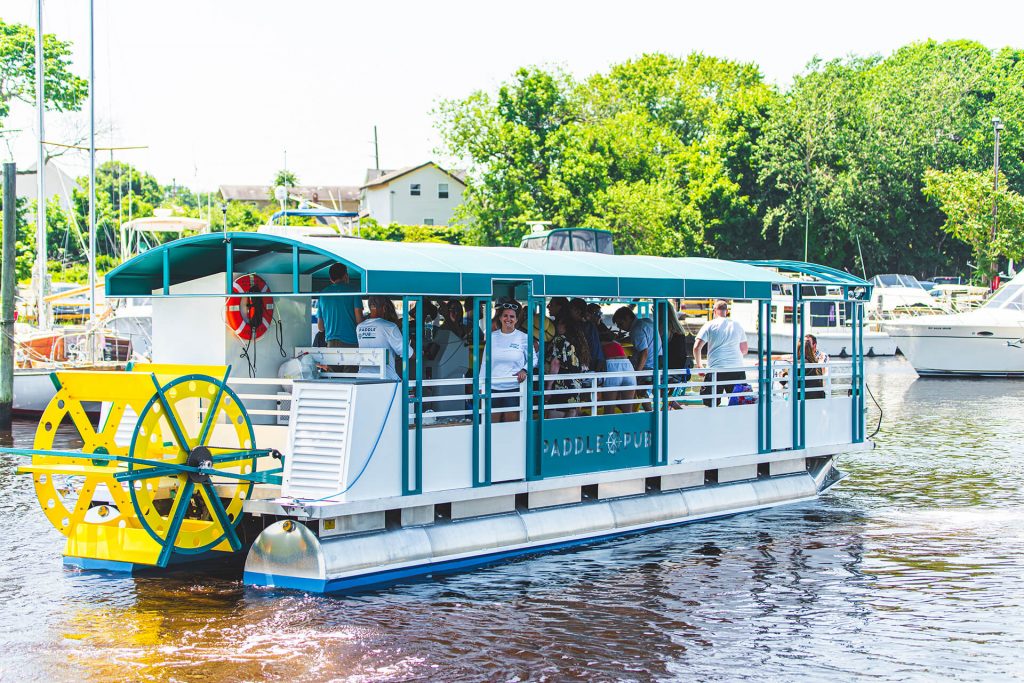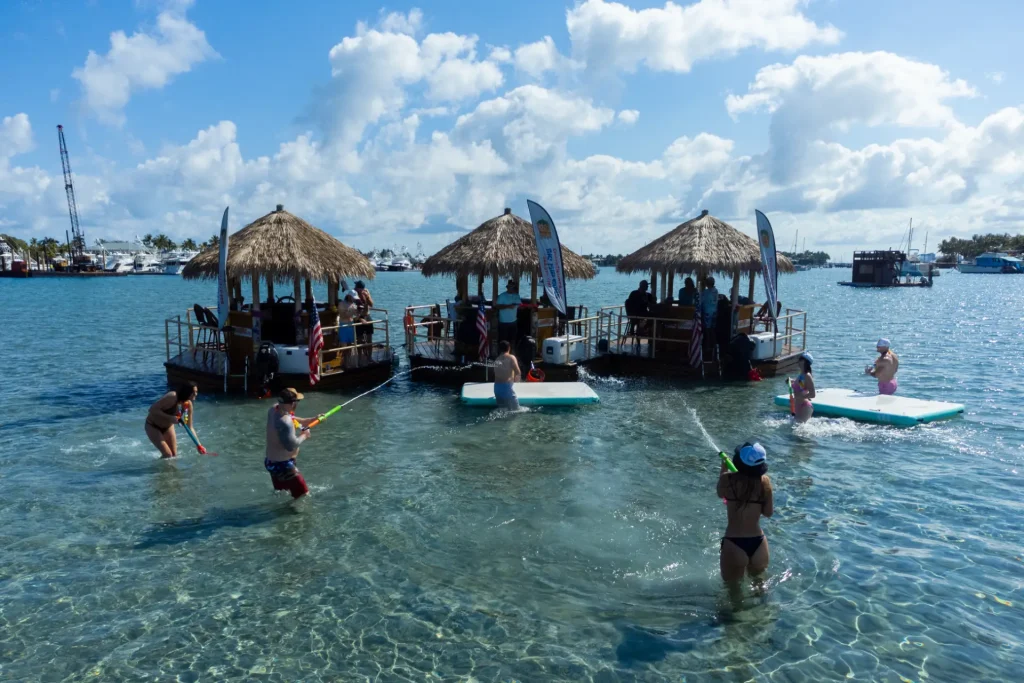
Something interesting happened in the tourism industry over the past five years, and most people are just now catching on. The shift from "what can I see?" travel to "what can I do?" travel didn't just change how tourists spend their vacation days — it fundamentally rewrote the economics of destination marketing. And party bikes and tiki boats are right in the middle of it.
From Nashville's riverfront to Milwaukee's Third Ward to San Diego's harbor, cities are discovering that experiential attractions — especially ones that move through public spaces, generate social media content, and drive traffic to local businesses — aren't just entertainment. They're economic development tools.
The Numbers Behind Experiential Tourism
According to recent travel industry data, experiential tourism now accounts for over 70% of millennial and Gen Z travel spending. These aren't small demographics — they represent the largest consumer spending cohorts in the economy. And their preferences are reshaping entire cities.
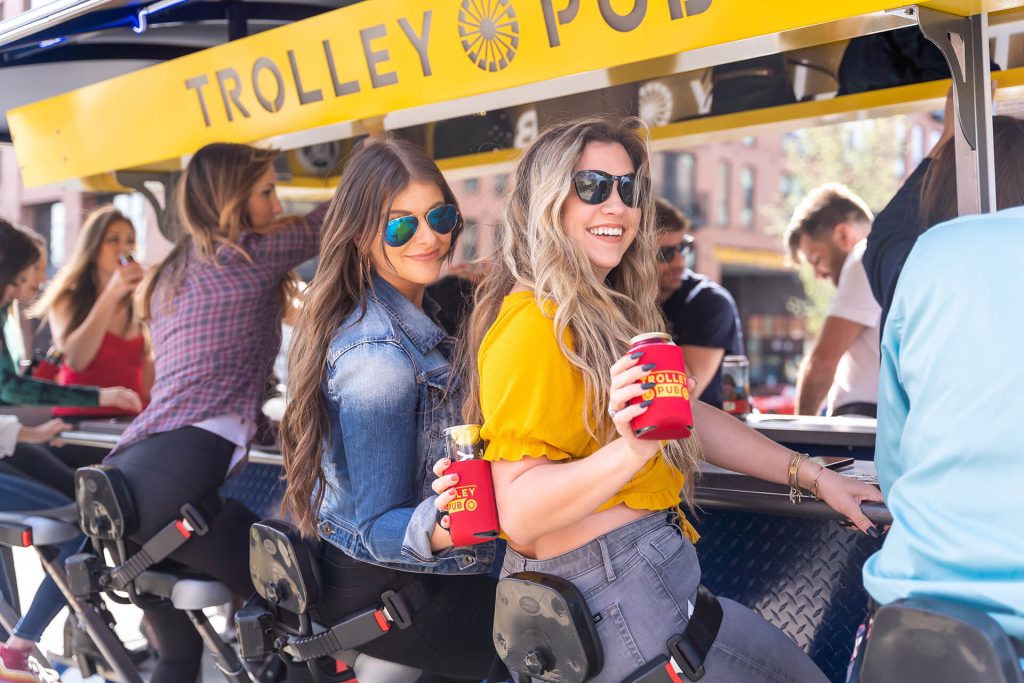
Consider what a single party bike or tiki boat operation does for a local economy. Each tour typically includes stops at 2–4 bars or restaurants along the route. A party bike carrying 16 people who each spend $15–$25 at each stop generates $240–$400 in additional revenue for local businesses — per tour. Run 5 tours a day, 6 days a week, and you're directing $7,000–$12,000 per week to the bars and restaurants on your route. That's not your revenue — that's what you're generating for other businesses simply by bringing customers to their door.
City economic development offices have noticed. And they're acting on it.
How Cities Are Rolling Out the Welcome Mat
A decade ago, many cities treated party bikes and tiki boats with suspicion. Were they safe? Would they cause noise complaints? Were they "appropriate" for family-friendly waterfronts? The early operators had to fight for every permit and deal with skeptical city councils.
The tide has turned dramatically. Now we're seeing cities actively recruit these operators as part of broader tourism and waterfront development strategies. Here's what that looks like on the ground:
- Dedicated dock space and infrastructure — Several cities have built or designated commercial docking facilities specifically to attract tiki boat and cycle boat operators. When a city invests in dock infrastructure, it's a signal that they want your business there long-term.
- Streamlined permitting — Forward-thinking municipalities have created specific permit categories for multi-passenger entertainment vehicles and vessels, making it easier and faster to get licensed. What used to take 6–12 months of bureaucratic back-and-forth now takes weeks in some jurisdictions.
- Tourism board partnerships — City and regional tourism boards are featuring party bike and tiki boat experiences prominently in their marketing. When the convention and visitors bureau includes you in their "Top 10 Things to Do" list, that's free advertising to every tourist researching your city.
- Event integration — Major city events, festivals, and conferences are incorporating party bike and tiki boat experiences into their programming. SXSW in Austin, Mardi Gras in New Orleans, the taste festivals in Chicago — these events create booking surges that can make an operator's entire quarter.
The Waterfront Revitalization Connection
Here's a trend that's particularly relevant for tiki boat and cycle boat operators: waterfront revitalization. Cities across America are investing billions in transforming neglected industrial waterfronts into vibrant mixed-use districts. The Wharf in DC. The Tampa Riverwalk. The Milwaukee Riverwalk. Navy Pier in Chicago. The list goes on.
These developments need anchor experiences to attract visitors. Restaurants and shops are part of it, but they need something that makes the waterfront a destination, not just a place you walk past. Commercial boat operations — tiki boats, cycle boats, dinner cruises — are increasingly written into waterfront development plans from the beginning. Developers know that a vibrant water entertainment scene increases property values, drives foot traffic, and creates the "see and be seen" energy that makes a district successful.
If your city is planning or building a new waterfront development, that's a massive opportunity. Get in early. Talk to the development team. In many cases, they're actively looking for commercial boat operators and will offer favorable lease terms to get the right mix of waterfront businesses.
Social Media: The Unpaid Marketing Engine
There's a reason cities love party bikes and tiki boats that goes beyond the direct economic impact: free marketing. Every single trip generates social media content. Every group posts photos. Every bachelorette party puts up a TikTok. Every corporate team shares it on LinkedIn.
Each of those posts implicitly markets the city. "Look at this amazing time we had in Savannah!" "Nashville bachelorette party on the tiki boat!" "Team outing in Austin was incredible!" The city gets destination marketing that no advertising budget could buy, and it comes with authentic social proof from real people having real fun.
One tourism board director told us that tiki boat content on Instagram and TikTok generates more engagement for their city than their entire paid social media budget. That's not an exaggeration — it's the reality of how destination marketing works in the social media age. The cities that understand this are the ones creating favorable conditions for operators.
Emerging Markets to Watch in 2026
Based on waterfront development plans, tourism growth patterns, and conversations with city officials, here are the types of markets we're most bullish on for 2026 and beyond:
- Sun Belt metros with new waterfront developments — Cities like Jacksonville, Fort Worth, Richmond, and Oklahoma City are investing heavily in waterfront spaces. These markets are growing fast, have favorable weather, and are actively looking for entertainment operators.
- College towns with tourism crossover — Places like Athens (GA), Madison (WI), Ann Arbor (MI), and Boulder (CO) combine a young, social demographic with significant visitor traffic from alumni events, football weekends, and parents' visits. The seasonality aligns well with the college calendar.
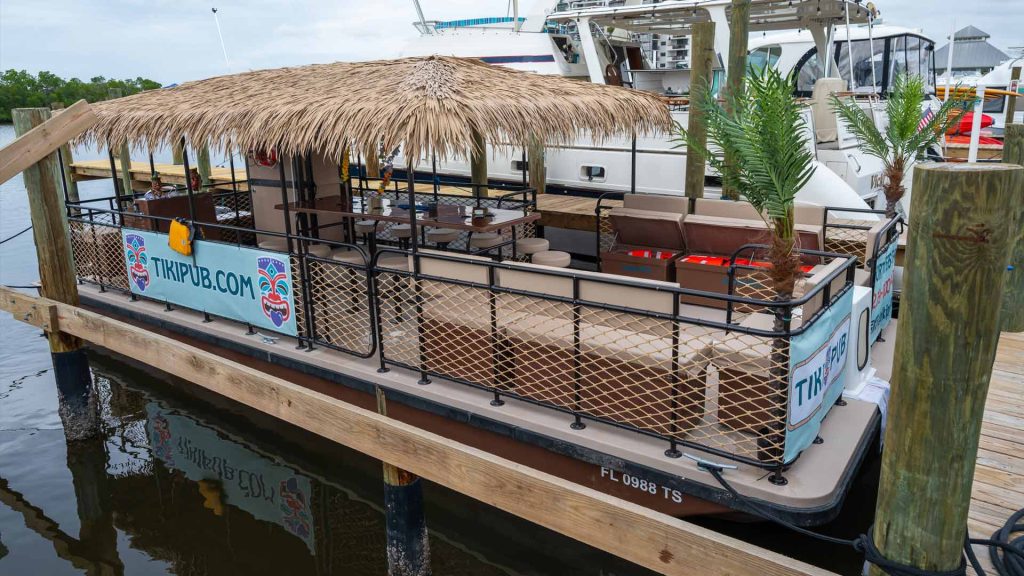
- Secondary tourist destinations — Not every operator needs to be in Nashville or Charleston. Markets like Duluth (MN), Traverse City (MI), Asheville (NC), and Bend (OR) have strong tourism industries and are significantly underserved in experiential water entertainment.
- International gateway cities building experiences — Cities like Miami, San Francisco, and New York always have demand, but the barrier to entry is high. If you can navigate the permitting and cost structure, the revenue ceiling is enormous.
The Sustainability Angle
There's another reason cities are embracing pedal-powered entertainment: sustainability. In an era where every city has a climate action plan and "green transportation" goals, party bikes and pedal-powered cycle boats check important boxes. They're human-powered (or electric-assist). They reduce car traffic in entertainment districts. They produce zero or minimal emissions. They demonstrate that sustainable tourism can also be fun and profitable.
This isn't just feel-good stuff — it has practical implications. Cities with sustainability mandates are increasingly favoring low-emission transportation options in their permitting decisions. If you're competing for a limited number of commercial permits, being a pedal-powered or electric operation gives you an edge over diesel-powered alternatives.
Is your city ready for a party bike or tiki boat operation? TourCraft works with operators in markets across the country and can help you assess the opportunity in your area. Reach out to our team — we're happy to share what we're seeing in markets similar to yours.
Contact UsWhat This Means for Operators
The macro trend is clear: experiential tourism is growing, cities are investing in the infrastructure to support it, and party bikes and tiki boats are positioned at the intersection of everything that's working in the tourism economy right now. Social. Experiential. Visual. Active. Local.
For existing operators, this means expansion opportunities. More cities want what you're offering. More corporate clients and tourism boards want to partner. More dock space and route permits are becoming available.
For aspiring operators, this means the window is open. The regulatory environment is more favorable than it's ever been. The consumer demand is proven and growing. The equipment options are better and more diverse than at any point in the industry's history. The question isn't whether there's a market for experiential water and street entertainment — it's whether you're going to be the one serving it in your city.
TourCraft Team
Commercial Boat Manufacturer